Why a Fall Detection Device Should Be Part of Every Senior Safety Plan
When my aunt Margaret moved into her own unit after my uncle passed away, we all felt a mix of relief and worry. She was determined to age in place, and we wanted to support that. But the quiet fear that followed her every step was something none of us talked about openly. What if she fell and nobody knew? It's a common worry for families in New Zealand and everywhere else. A good senior safety plan goes beyond grab bars and non-slip mats. It includes a reliable fall detection device that can call for help when a person can't.
The Real Risk of Falling at Home
Falls are not a small concern for older adults. According to health data, one in four people over 65 falls each year. In New Zealand, that translates to thousands of hospital visits, many involving a hip fracture or other serious injury. The physical impact is only half the story. The psychological toll is real. After a fall, many seniors become afraid to move around their own home. They stop doing things they enjoy. Their world shrinks. A wearable device with automatic fall detection can change that outcome. It lets older adults stay active and independent, knowing that if the worst happens, help is already on its way.
What Makes a Good Fall Detection Device
Not all medical alert systems are created equal. A basic pendant alarm requires the person to press a button. That works fine if they are conscious and able to reach it. But after a serious fall, a person might be unconscious, in shock, or unable to move their arm. That is where a fall detection device shines. It uses sensors to recognise the motion and impact of a fall, then automatically sends an alert. The best devices combine accelerometers and gyroscopes to distinguish a real fall from everyday movements like bending to tie a shoe or sitting down quickly. False alarms still happen, but modern fall detection technology has improved a lot. The key is finding a balance between sensitivity and accuracy.
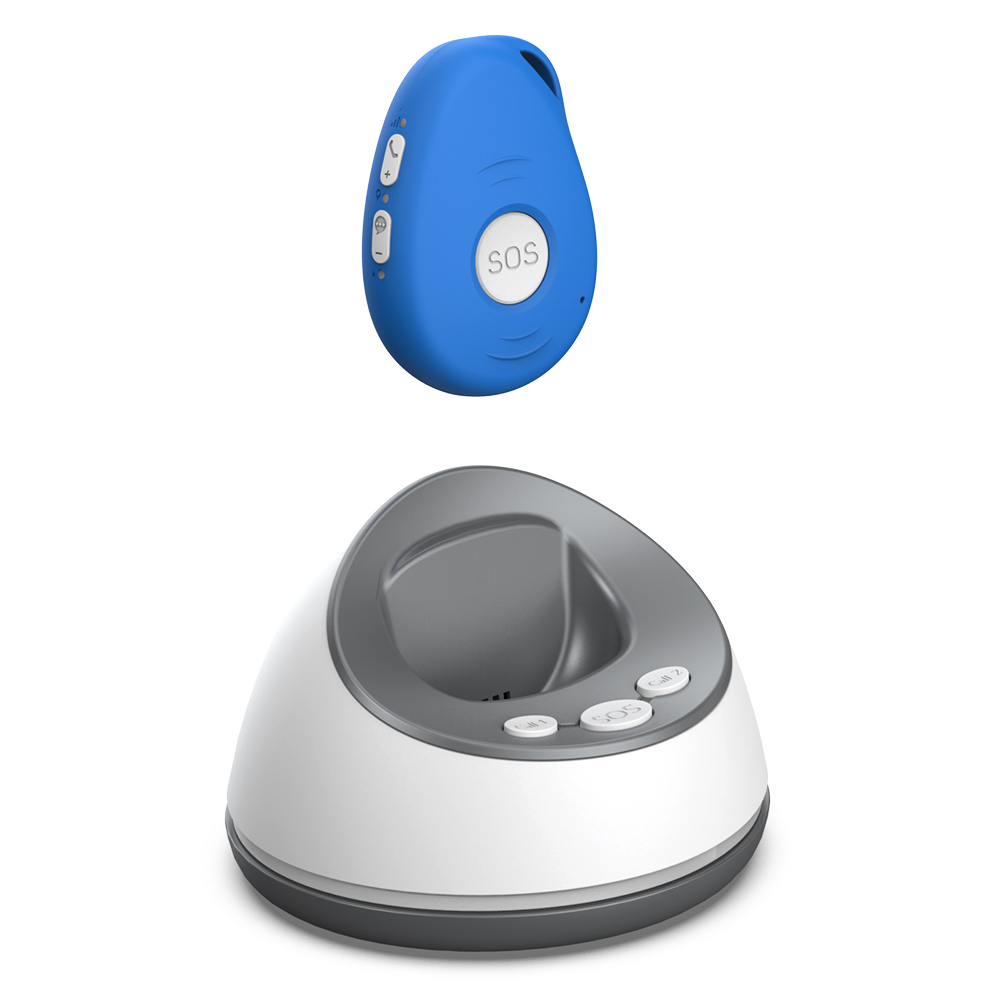
When I helped my aunt choose a system, we looked for a few specific features. The device had to be waterproof so she could wear it in the shower. It needed a long battery life. And it had to work with a service that offered 24/7 monitoring. Familyr, for example, provides a personal emergency response system that includes all of these features, plus GPS tracking and two-way calling. That kind of setup means the person is never truly alone, even when they are by themselves.

How Automatic Fall Detection Changes the Response
Time is everything after a fall. A hip fracture left untreated for hours can lead to complications like dehydration, pressure sores, or even pneumonia. With a pendant alarm that includes automatic fall detection, the emergency response begins within seconds. The system alerts a monitoring centre or directly contacts family members. Two-way calling lets the senior speak with a responder, even if they cannot get up. The responder can assess the situation and send an ambulance or a neighbour. For families living in a different city or region, this kind of family monitoring provides enormous peace of mind. You do not have to be in the same house to keep an eye on someone you love.
GPS tracking adds another layer. If the fall happens outside, while gardening or walking to the shop, the device can pinpoint the location. That is especially valuable in New Zealand, where many seniors live in rural areas or spend time outdoors. A wearable device with GPS means the person can roam freely, and the caregiver does not have to worry about them getting lost or being unable to say where they are.
Balancing Independence and Safety
Some seniors resist wearing a medical alert system because they feel it marks them as frail. That is understandable. Nobody wants to be reminded of their vulnerabilities every time they look at their wrist or neck. But the design of modern devices has come a long way. Many look like a regular watch or a sleek pendant. They are comfortable to wear and easy to use. The real selling point is not the device itself; it is the freedom it gives. When you know that a fall detection device is watching out for you, you can keep doing the things that matter. You can climb the stairs to your bedroom. You can take a shower without someone standing outside the door. You can go for a walk in the neighbourhood. That is the kind of elderly fall prevention that actually supports a full life, not just a safe one.
What About Cost and Monthly Fees
One of the biggest barriers to adopting medical alert systems is the ongoing cost. Many traditional services charge a monthly fee that adds up over time. For seniors on a fixed income, that can be a real strain. Some families end up choosing a cheaper option that lacks automatic fall detection or GPS tracking, which defeats the purpose. That is why a model with no monthly fees makes so much sense. You pay once for the device and the service, and that is it. No ongoing bills. No surprises. Familyr offers exactly that kind of arrangement, which removes a major obstacle for many New Zealand families. It turns a fall detection device from a luxury into a practical, long-term investment in senior safety.
Practical Tips for Choosing a Device
If you are looking for a personal emergency response system for yourself or a loved one, here are a few things to keep in mind:
- Make sure the device has automatic fall detection, not just a manual button. This is the feature that can save a life when the person cannot press the button.
- Check that it is a waterproof alarm. Falls in the bathroom are extremely common, and the device needs to work there.
- Look for two-way calling. Being able to talk to a responder directly reduces panic and confusion.
- Consider GPS tracking if the person spends time outside their home. It adds a layer of security that a stationary system cannot provide.
- Ask about the cost structure. A service with no monthly fees can make the decision much easier for everyone.
Making the Decision Together
Bringing up the topic of fall detection with an older relative can be delicate. Nobody wants to be told they need a babysitter. I found it helped to frame the conversation around what the device would allow them to do, not what it would protect them from. Instead of saying "You need this because you might fall," try "This pendant alarm means you can keep living on your own terms, and I will stop worrying so much." That shift in tone can make all the difference. Involving the senior in the choice of device and service also gives them a sense of control. They are more likely to wear it consistently if they picked it out themselves.
For caregivers, the emotional relief is just as important. Knowing that a loved one has 24/7 monitoring and that you will be notified immediately if something happens changes the whole dynamic of care. You can relax a little. You can sleep through the night without your phone on the bedside table. You can trust that the technology is doing its job. A good fall detection device is not a replacement for human care, but it is a powerful backup that works around the clock.

Looking Ahead
As the population ages, more families in New Zealand and around the world will face the question of how to support ageing in place safely. Fall detection technology will keep improving. Devices will get smaller, smarter, and more affordable. But the core need will stay the same: a reliable way to call for help when a fall happens. That is what makes a fall detection device such an essential part of any senior safety plan. It is not about taking risks away. It is about giving older adults the confidence to keep living the life they want, and giving their families the peace of mind that comes with knowing help is always within reach.